April 20, 2026
The Benefits of Bilingual Education Beyond the Classroom
What if learning a second language could shape your child’s future? Read on to discover the hidden benefits of bilingual education beyond the classroom.
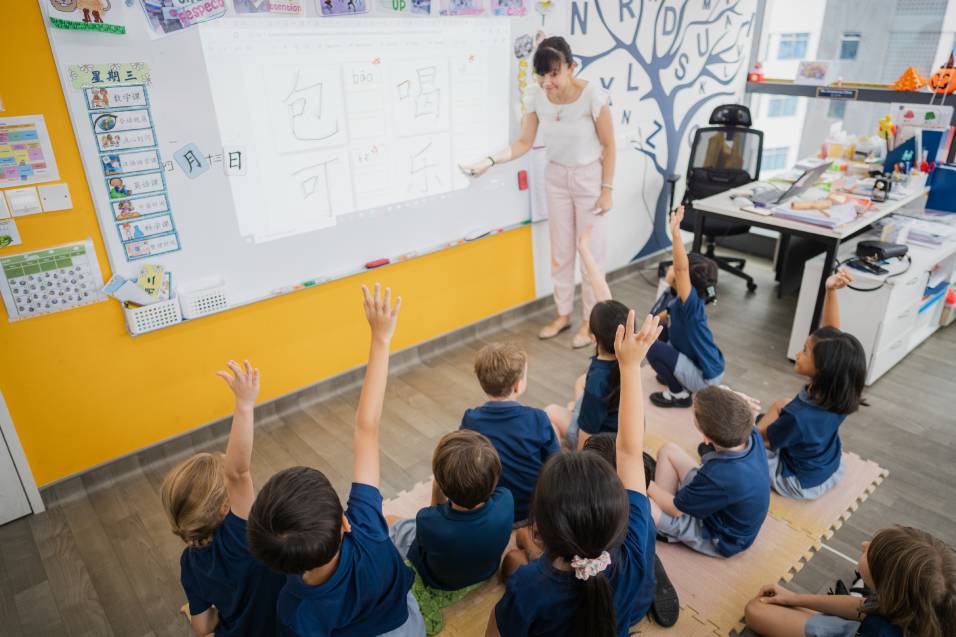
What if learning a second language could shape your child’s future? Read on to discover the hidden benefits of bilingual education beyond the classroom.
As parents plan for the year ahead, one priority often stands out: giving your child the right foundation for the future. Beyond academic results, many families are now asking a deeper question. How can we equip our children with the skills to thrive in a fast-changing, global world?
This is where bilingual education is gaining attention. More parents are exploring a bilingual programme, not just for language proficiency, but for the broader advantages it brings. From cognitive development to cultural awareness, the impact of learning two languages goes far beyond the classroom.
More Than Just Speaking Two Languages
At first glance, bilingual education may seem like it is mainly about communication. Being able to switch between languages is certainly valuable, but the real impact goes much deeper.
Children who learn two languages from a young age tend to develop stronger cognitive flexibility. They are constantly switching between linguistic systems, which trains the brain to adapt, filter information, and think more efficiently.
This often translates into:
- Better problem-solving skills
- Improved memory and focus
- Greater ability to multitask
These are not just academic advantages. They are life skills that support children in navigating complex situations as they grow.
Building Confidence in Real-World Situations
Imagine your child ordering food in another country, making a new friend from a different background, or confidently participating in an international classroom discussion. These moments may seem small, but they build a strong sense of independence and self-assurance.
Bilingual children are often more comfortable stepping outside their comfort zones. They are used to navigating different linguistic and cultural contexts, which makes them more adaptable in unfamiliar environments.
This confidence carries over into:
- Social interactions
- Public speaking
- Leadership opportunities
Over time, these experiences help children develop a stronger voice and a clearer sense of identity.
A Deeper Understanding of Culture
Language is closely tied to culture. When children learn a second language, they are not just memorising vocabulary. They are gaining insight into different ways of thinking, communicating, and relating to others.
This exposure helps children:
- Develop empathy and cultural awareness
- Appreciate diverse perspectives
- Communicate more thoughtfully
In today’s interconnected world, these qualities matter just as much as academic achievement. They shape how children interact with others and how they see their place in the world.
Supports Cognitive Development
Bilingual education does more than build language skills. It also plays a role in how children think and learn across different subjects.
Researchers point to something known as the executive function advantage, which includes abilities like staying focused, managing tasks, and thinking flexibly. Children who learn and use two languages regularly practise these skills as they switch between languages, helping them become more adaptable and effective problem-solvers over time (Yurtsever, Anderson, & Grundy, 2023).
Recent research reinforces this. In a study of children using one language at home and another in school, bilingual learners were found to keep up in both languages while showing stronger performance in areas like memory, reasoning, and problem-solving compared to their monolingual peers (Sami & Ahmed, 2025).
For parents, this suggests that a bilingual pathway does not come at the expense of academic performance. Instead, it can strengthen the underlying cognitive skills that support learning across subjects.
Preparing Children for Future Opportunities
Looking ahead, the ability to communicate across cultures is becoming increasingly valuable. Whether your child pursues higher education abroad or works in a global industry, bilingualism can open doors.
Employers today value individuals who can:
- Collaborate across international teams
- Understand diverse markets
- Communicate with clarity and cultural sensitivity
These are not niche skills anymore. They are becoming expectations in many fields.
By investing in bilingual education early, you are helping your child develop into a multilingual, globally-minded student who is ready to thrive in a rapidly changing world.
Learning That Extends Beyond the Classroom
One of the most powerful aspects of bilingual education is how naturally it integrates into daily life.
Children begin to:
- Think in multiple languages
- Switch between languages at home and school
- Engage with media, books, and conversations in new ways
Learning does not stop when the school day ends. It continues through everyday interactions, making it more meaningful and lasting.
Why Environment Matters
Not all bilingual programmes are created equal. The way language is introduced and reinforced plays a significant role in how effective it is.
At Invictus International School, the bilingual programme is thoughtfully designed to be part of students’ everyday learning experience. Importantly, this programme is offered at the Centrium Square campus, where language learning is seamlessly integrated into classroom activities rather than treated as a standalone subject.
Students are immersed in both languages through their daily subjects. Chinese is used across areas such as Chinese, Music, Art, Physical Education, and the Integrated Chinese Programme, while English is the primary language for subjects like English, Mathematics, Science, Global Perspectives, and Digital Literacy.
This balanced, immersive approach allows children to use language in meaningful contexts, helping them build confidence, fluency, and deeper understanding more naturally.
A Strong Foundation for Lifelong Learning
Perhaps the greatest benefit of bilingual education is not just what children learn, but how they learn.
They become:
- More curious about the world
- More open to new ideas
- More willing to take on challenges
These qualities lay the foundation for lifelong learning. They encourage children to keep exploring, questioning, and growing long after they leave the classroom.
Discover the Difference for Your Child
Choosing the right educational path is never a simple decision. But if you are looking for an approach that supports both academic success and personal growth, bilingual education offers a meaningful advantage.
At Invictus International School, we are committed to nurturing curious, confident learners through inquiry-based instruction. Our educators work alongside students to help them explore their interests, develop critical thinking skills, and build a lifelong love for learning.
Ready to see how bilingual education can shape your child’s future? Book a tour today and experience first-hand how we cultivate curiosity, confidence, and a global perspective in every student.
References:
Sami, R., & Ahmed, M. (2025). Neurocognitive and linguistic development in bilingual children: A cross-sectional study on the impact of dual language exposure in 100 Egyptian children. Middle East Current Psychiatry, 32, 52. https://doi.org/10.1186/s43045-025-00547-5
Yurtsever, A., Anderson, J. A. E., & Grundy, J. G. (2023). Bilingual children outperform monolingual children on executive function tasks far more often than chance: An updated quantitative analysis. Developmental Review, 69, 101084. https://doi.org/10.1016/j.dr.2023.101084
An Institution by Sing-Ed Corporation.
© 2026 Invictus International School. All Rights Reserved.